Lead Inspection & Risk Assessment: what to know
Learn where lead is, and what is a hazard in your home.
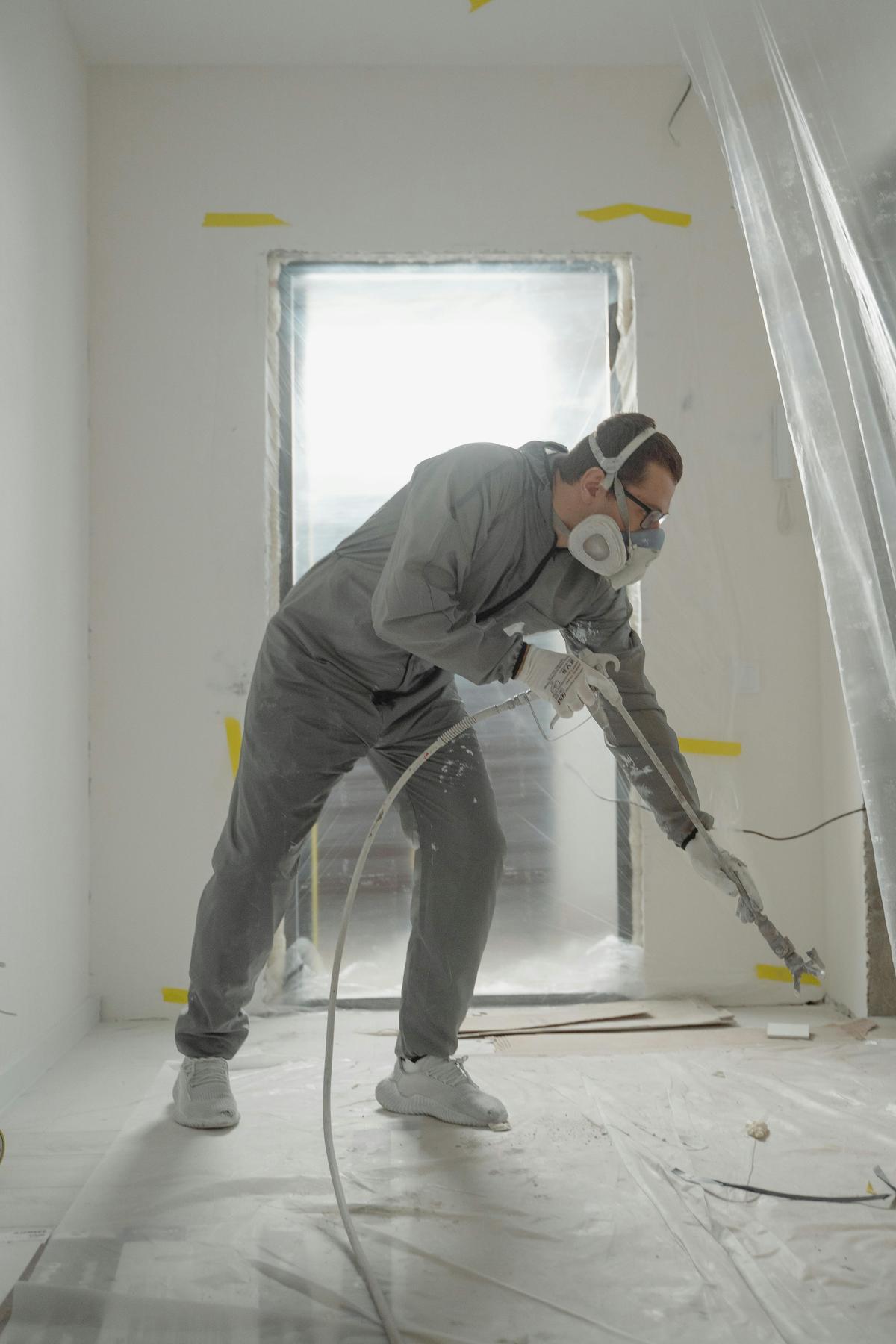
A lead inspection looks for lead-based paint anywhere in a home. A risk assessment looks for lead hazards, such as deteriorating paint and lead dust, and can include dust, soil or paint samples sent to a lab. They answer different questions, so say which you want when you ask for help.
Buyers of older homes often ask for one before closing, landlords and owners ask when planning repairs, and families ask when a young child lives in a home with peeling paint. The report is the starting point for deciding what, if anything, to fix.
California's Department of Public Health (CDPH) certifies people who do lead-related construction work, including inspectors and assessors. Ask whoever tests your home which certification they hold. We refer you to a contractor with an active California contractor license; we do not do inspections, quote prices or negotiate.
Questions to ask a pro
- Which CDPH lead certification do you hold, and can I see it?
- Is this an inspection, a risk assessment, or a clearance test, and what will the written report cover?
- Which lab analyzes the samples?
- How long until I get the report?
- What happens next if lead hazards are found?
Common questions
Are an inspection and a risk assessment the same thing?
No. An inspection finds lead-based paint. A risk assessment looks for hazards. Some people want both.
Do I need one to buy an older home?
Federal rules give buyers of pre-1978 homes a chance, usually 10 days, to do a lead inspection or risk assessment, which a buyer can waive. See our seller and landlord pages.
Will the report say how to fix things?
Reports describe what was found and where. Repair methods are usually worked out with the contractor who does the work.
Where we refer
San Francisco, Oakland, Berkeley, Alameda, Richmond, San Jose, Hayward, Daly City.