Lead in Drinking Water Testing: what to know
Test your tap water and understand your plumbing.
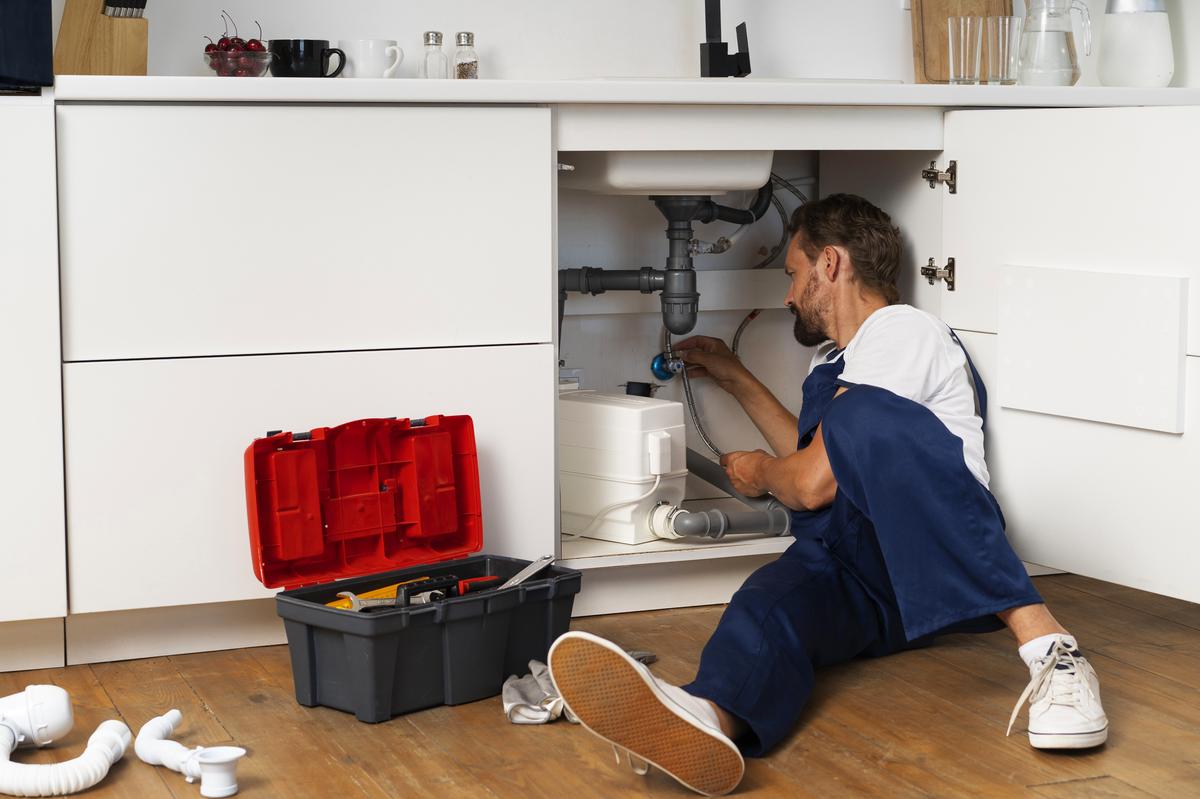
Lead can get into drinking water from older service lines, older plumbing and fixtures, and solder used before lead solder was banned in drinking water systems in 1986. Lead in water has no color, smell or taste you can detect. A laboratory test is the way to find out.
Testing and plumbing work are different jobs. A test tells you what is in a sample. A plumber can tell you what pipes and fittings you have and talk through options such as fixture replacement. Your water utility may be able to tell you what the service line to your address is made of.
Use a laboratory that is accredited by the state for drinking water analysis, and ask how to collect the sample. For plumbing work, we refer you to a contractor with an active California contractor license; we do not quote or negotiate.
Questions to ask a pro
- Which laboratory will analyze my water, and is it state-accredited for drinking water?
- Who takes the sample, and how is it taken?
- What will the result mean, and what are my options if lead is found?
- What are my pipes and fittings made of?
- What is your California contractor license number and classification?
Common questions
Does boiling water remove lead?
No. Boiling water leaves the lead in it. While results are pending, the lab or your county health department can say what to do in the meantime.
How old does a home need to be to worry?
Age raises the odds of lead in plumbing, but it does not settle the question. A test does.
Which taps do I test?
The lab can tell you which taps to sample. The kitchen cold tap is a usual place to start.
Where we refer
San Francisco, Oakland, Berkeley, Alameda, Richmond, San Jose, Hayward, Daly City.